Important Fire Safety
Dealing with repairs and mainteance issues promptly is important to us but it is just as impotant that all parties understand their responsibilities. This page provides information on repairs and maintenance and getting repairs done promptly. It explains both the tenant’s and the landlord’s responsibilities to do repairs. We also cover minor repair issues and some common repair problems.

Your safety and wellbeing are extremely important to us, and we take our responsibility as your landlord very seriously. We are committed to providing homes that are safe, well-maintained, and compliant with all relevant fire safety regulations, but just as importantly, we want you to feel informed, confident, and protected in your home.
Fire safety is not just about equipment such as alarms or fire doors — it is about making sure that everyone living in the property understands what to do in an emergency. Knowing how to respond quickly and correctly if a fire alarm sounds can make a critical difference in keeping you and others safe.
We strongly encourage all tenants to take the time to read the fire safety information relevant to their property carefully and to ensure that everyone in the household or shared property is familiar with these procedures. This includes family members, visitors, and anyone else who may be staying in the property.
If you are ever unsure about fire safety arrangements, notice damaged or faulty equipment, or have any concerns at all, please contact us immediately. We would always much rather you report something that turns out to be minor than risk safety.
Your home should be a place where you feel secure. We are committed to doing everything reasonably possible to support that, and we appreciate your cooperation in helping us maintain a safe living environment for everyone.
Our Responsibilities
We take our responsibilities as a landlord seriously and are fully committed to maintaining a safe living environment for all tenants. Fire safety is a key part of that responsibility, and we actively work to ensure that appropriate measures are in place and properly maintained at all times.
Our responsibilities include:
-
Providing suitable fire detection systems
We ensure that smoke alarms or fire alarm systems are installed in line with the type of property and current fire safety requirements. -
Regular testing and maintenance of fire safety equipment
Fire alarms, emergency lighting, and other fire safety systems (where applicable) are tested and maintained to ensure they remain in proper working order. -
Providing and maintaining fire safety equipment in HMO properties
Where required, fire extinguishers, fire doors, and clear escape routes are provided and maintained to help protect occupants in the event of a fire. -
Ensuring clear and safe escape routes
Communal areas, stairways, and designated escape routes are kept clear and suitable for emergency use. -
Responding promptly to reported issues
Any reported concerns relating to fire safety, alarms, doors, lighting, or escape routes are treated as a priority and addressed as quickly as possible. -
Complying with fire safety legislation and guidance
We regularly review our responsibilities to ensure continued compliance with relevant fire safety laws and best practice guidance.
If you ever have concerns about fire safety in your home, notice damaged or faulty equipment, or are unsure about any fire safety arrangements, please contact us immediately. Your safety is our priority, and we are always here to help.


Tenants Responsibilities
Fire safety is a shared responsibility. While we take our duties as a landlord very seriously, your actions and cooperation are essential in helping to keep you, other occupants, and the property safe.
As a tenant, you are expected to take reasonable responsibility for your own safety and the safety of others living in or visiting the property.
Your responsibilities include:
-
Taking fire alarms seriously
Fire alarms must never be ignored. You must act immediately and follow the fire safety guidance provided for your property. -
Not tampering with fire safety equipment
Smoke alarms, fire alarm systems, fire doors, emergency lighting, and fire extinguishers must not be disabled, covered, interfered with, or misused under any circumstances. -
Reporting faults or concerns promptly
You must report any faulty alarms, damaged fire doors, missing fire extinguishers, or blocked escape routes as soon as possible. Delaying or failing to report issues puts lives at risk. -
Keeping escape routes clear
Hallways, stairways, landings, and communal areas must be kept free from obstructions at all times. Items such as furniture, bicycles, prams, or personal belongings must not be stored in escape routes. -
Using appliances safely
You are responsible for using cooking, heating, and electrical appliances safely and as intended. Never leave cooking unattended and avoid overloading electrical sockets. -
Preventing fire hazards
Candles, portable heaters, and other potential fire risks must be used responsibly and never left unattended. BBQs, open flames, and similar items must not be used inside the property. -
Cooperating with fire safety measures
You must allow access for essential fire safety inspections, testing, or maintenance when reasonable notice is given. -
Considering others in shared properties
In HMO properties, your actions can directly affect the safety of others. You must not take risks that could endanger fellow residents.A Clear Reminder
Fire safety measures are in place to protect lives. Ignoring fire safety guidance, failing to report issues, or tampering with safety equipment is extremely serious and may place yourself and others at risk.
We expect all tenants to act responsibly and to take an active role in maintaining a safe living environment. This is not optional.
If you are ever unsure about what is expected of you, or if you have concerns about fire safety in your home, please contact us immediately.
Single Household Properties (Family Homes)
Your home is fitted with smoke alarms to provide early warning in the event of a fire. It is important that all occupants understand what to do if a smoke alarm sounds.
What to Do If a Smoke Alarm Goes Off
Do not ignore the alarm
Smoke alarms are designed to alert you as early as possible. Always treat the alarm seriously.
Check for signs of fire
- Look for smoke or flames
- Smell for burning
- Carefully feel doors with the back of your hand before opening them
If you discover a fire or heavy smoke
- Leave the property immediately
- Close doors behind you if it is safe to do so
- Do not stop to collect belongings
- Call 999 once you are safely outside
If there is no fire and the alarm was triggered by cooking or steam
- Ventilate the area by opening windows or doors
- Avoid fanning the alarm directly
- The alarm should stop once the air clears
If the alarm continues to sound
- Use the test or hush button if fitted
- If the alarm does not stop, report the issue to us as soon as possible
Important Safety Information
- Smoke alarms must not be disabled or covered
- Batteries must not be removed
- Any faulty or damaged alarms must be reported immediately
Smoke alarms are provided for your protection and should always be kept in working order.

Fire Safety Information
Houses in Multiple Occupation (HMO)
This property is fitted with a full fire alarm system and fire-fighting equipment to protect all residents. Because the building is shared, a fire may be located anywhere within the property.
What to Do If the Fire Alarm Sounds
Treat every alarm as a real emergency
Never assume the alarm is a false activation.
Leave the building immediately
- Use the nearest safe exit
- Follow the designated escape routes
- Do not stop to investigate the cause of the alarm
Do not return to your room
- Do not collect personal belongings
- Do not re-enter the building for any reason
Go to the fire assembly point
This allows everyone to be accounted for and keeps access clear for the emergency services.
Call 999
If the fire brigade has not already been contacted, call them once you are safely outside.
Do not re-enter the building
Only return when instructed that it is safe to do so by the fire brigade or the responsible person.
Fire Extinguishers in HMO Properties
Fire extinguishers are provided for emergency use only.
- Only attempt to use an extinguisher if the fire is very small
- Always keep a clear escape route behind you
- If there is any doubt, leave the building immediately
Your safety is more important than property.
Important HMO Fire Safety Rules
- Fire doors must never be wedged or held open
- Escape routes and stairways must be kept clear at all times
- Fire alarm systems, detectors, and emergency lighting must not be tampered with
- Any faults or damage must be reported immediately
Interfering with fire safety equipment is extremely dangerous and may put lives at risk.
Fire Safety Standards in HMO Properties
All of our Houses in Multiple Occupation (HMO) are designed, upgraded, and maintained in line with current building regulations and fire safety regulations. These enhanced standards reflect the shared nature of the accommodation and are in place to provide the highest reasonably practicable level of protection for all residents.
As part of this, HMO properties are equipped with a range of fire safety measures, which may include:
- Class A fire alarm systems, designed to provide early warning throughout the entire building
- Emergency lighting, installed to illuminate escape routes in the event of a power failure
- Fire extinguishers and fire blankets, provided in appropriate locations for emergency use
- Fire doors fitted with self-closing mechanisms, designed to slow the spread of fire and smoke
- Clearly displayed emergency fire action instructions on each floor of the building
All tenants must familiarise themselves with the emergency notices and fire action instructions displayed within the property, including the escape routes and assembly point information. These notices are provided for your safety and the safety of others.
These systems are intended to work together to support safe evacuation and to assist the emergency services if a fire occurs.
Your Role in Keeping the System Effective
While these safety measures are robust, they rely on tenants acting responsibly. Fire doors must never be wedged open, emergency instructions must not be removed or defaced, and all fire safety equipment must be treated with care and respect.
If you notice anything that does not look right — such as damaged fire doors, missing signage, non-functioning emergency lighting, or faults with the fire alarm system — it is essential that you report this immediately.
Fire safety in an HMO depends on both the systems in place and the behaviour of those living in the building. By following the guidance provided and respecting the safety features installed, you are helping to protect yourself and everyone else in the property.
Emergency Routes
Every property is different, and it is not possible to provide a detailed, bespoke escape plan for each individual home. For this reason, tenants are expected to take personal responsibility for familiarising themselves with the emergency exit routes within the property they live in.
Knowing how to get out safely in an emergency is essential and should be treated as a priority, not something to think about only when an alarm sounds.
Familiarising Yourself With Exit Routes
All tenants should take time to identify and understand:
- The normal and alternative routes out of the property
- The location of final exit doors
- Any internal stairways that form part of the escape route
- Which windows may be used as an emergency means of escape, where applicable
- How doors and windows open, including locks and restrictors
Exit routes should always be kept clear and accessible.
HMO Properties
In Houses in Multiple Occupation (HMO), designated escape routes are clearly identified and are supported by:
- Emergency lighting
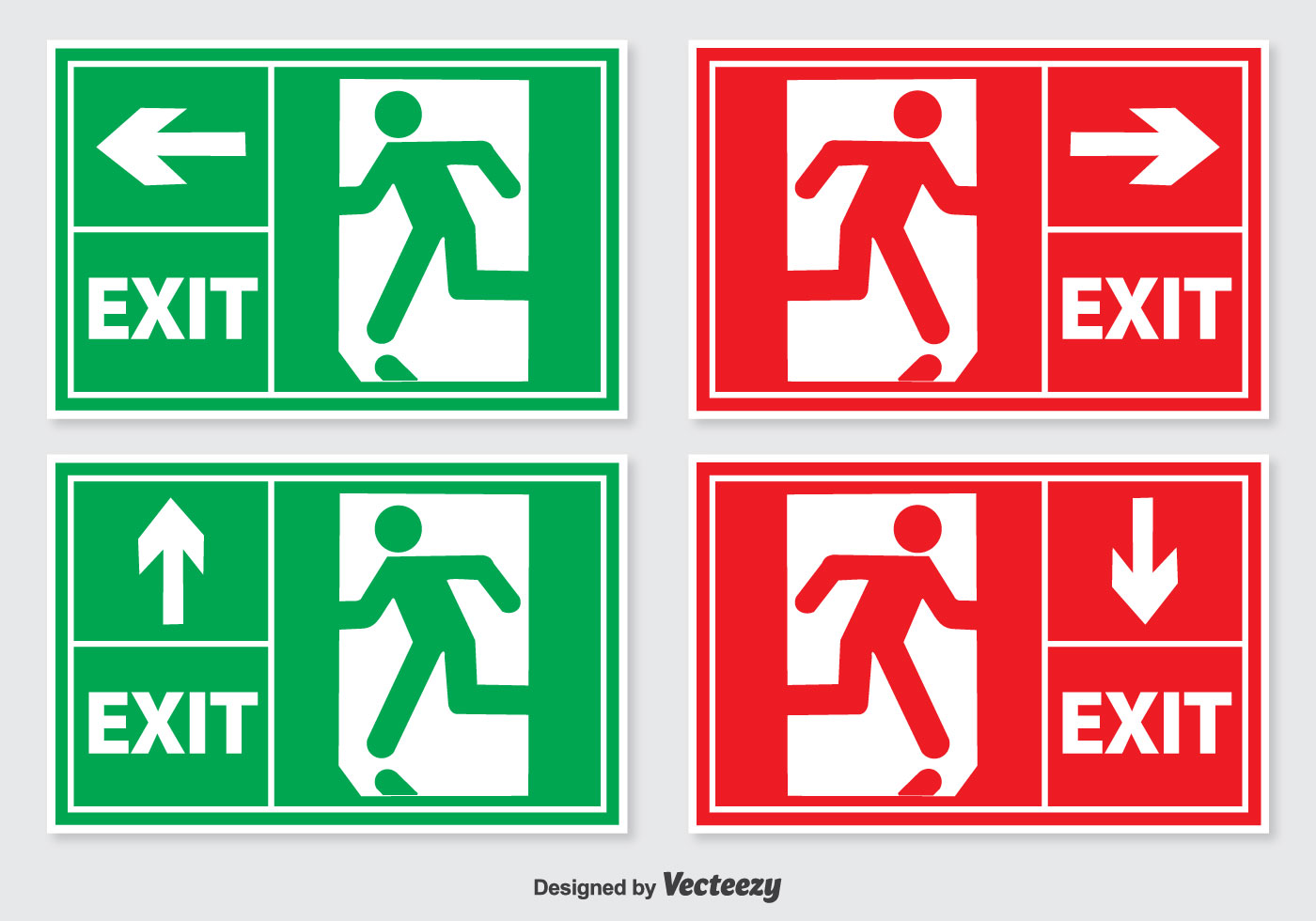
- Exit signage
- Fire action notices displayed on each floor
These features are provided to guide residents safely out of the building in the event of a fire, including during a power failure or low visibility conditions.
Tenants must familiarise themselves with the posted emergency instructions and follow the signed escape routes at all times.
Single Household Properties
In single household (family) homes, escape routes may not be signposted or illuminated. In these properties, tenants must rely on common-sense exit routes, such as:
- The main entrance door
- Back or side exit doors, where present
- Escape windows, particularly from upper floors
Tenants should ensure they know how to open windows quickly and safely and that keys, locks, or security devices do not prevent escape in an emergency.
A Shared Responsibility
Fire safety equipment and alarm systems provide warning — but safe escape relies on people knowing how to leave the property quickly and calmly.
Tenants are responsible for making sure they understand the escape routes within their home and for ensuring that exits and access points are not blocked, obstructed, or made unusable.
If you are unsure about exit routes, window openings, or have concerns about your ability to escape safely, you must raise this with us as soon as possible.
Emergency Situations
An emergency situation is one where there is an immediate risk to life or property or to other peoples life or property and will be dealt with as a matter of the utmost urgency with immediate attendance to the property if deemed necessary – then you must call us on 07775 784 192
Report A Gas Leak
If you smell gas, you must call the Gas Emergency number immediately on 0800 111 999 to report the incident. Do not go back into the property no matter what the reason, you must wait for advice from the emergency gas services.
Legal Compliance & Fire Safety Notice
The fire safety measures, guidance, and responsibilities outlined on this page are provided in accordance with current fire safety legislation and guidance applicable in England and Wales, including (but not limited to) the Regulatory Reform (Fire Safety) Order 2005, the Smoke and Carbon Monoxide Alarm (England) Regulations, and relevant housing and building safety regulations.
Tenants are required to take reasonable care of the property and to cooperate with all fire safety arrangements put in place for their protection and the protection of others. Failure to follow fire safety guidance, interference with fire safety equipment, or actions that place occupants at risk may constitute a breach of tenancy terms and could result in further action where necessary.
This information is provided to help protect lives and property and does not replace the need to act sensibly, responsibly, and promptly in the event of a fire or emergency.
If you have any questions about fire safety arrangements, your responsibilities, or the safety equipment provided in your property, please contact us without delay.
Bleeping Smoke Detectors
We understand how annoying a bleeping Fire Detector is, but it is bleeping for your safety. The main reason why a Smoke Detector bleeps is becuase the battery is getting low or has died completely. When you hear the Smoke Detector bleeping, you must change the battery immediately. If after changing the battery, the smoke detector keeps bleeping, then you must let us know immediately as it is probably a faulty detector.